
Motion as the Antidote to Mental Tension
Physical activity is more than a metric of fitness; it is a physiological reset for the mind. At Gestione Stress, we explore how an active lifestyle serves as a primary tool for reclaiming focus and emotional balance in an increasingly static world.

Active Lifestyle
"The body moves so the mind can stand still."
The Biological Reset through Sports
When we engage in regular physical activity, we trigger a cascade of neurochemical reactions that neutralize cortisol—the hormone primarily responsible for our daily feelings of overwhelm. It is not about intense training; it is about consistent rhythmic engagement that signals safety to the nervous system.
- 01. Cortisol Regulation
- 02. Endorphin Release
- 03. Neurological Resilience
The Rhythm of Walking
Walking is perhaps the most accessible active lifestyle choice for immediate mental relief. Optic flow—the visual sensation of moving past objects—has been shown to quiet the amygdala. A 20-minute brisk walk in a natural setting effectively resets the spatial awareness centers of the brain, reducing the internal "background noise" of daily worries.
Rhythmic Cardiovascular Activity
Swimming or cycling provides a repetitive motion that mimics meditation. As the breathing syncs with movement, the body enters a "flow state." This state pushes the analytical brain into a subordinate role, allowing the emotional centers to decompress. No complicated equipment is necessary—just the steady cadence of your own effort.
Sports and Social Connection
Group sports introduce a social element that counters isolation, a common byproduct of high-pressure periods. The focus required to track a ball or coordinate with teammates provides a necessary "cognitive break" from personal stressors.
Fueling the Body
to Quiet the Mind
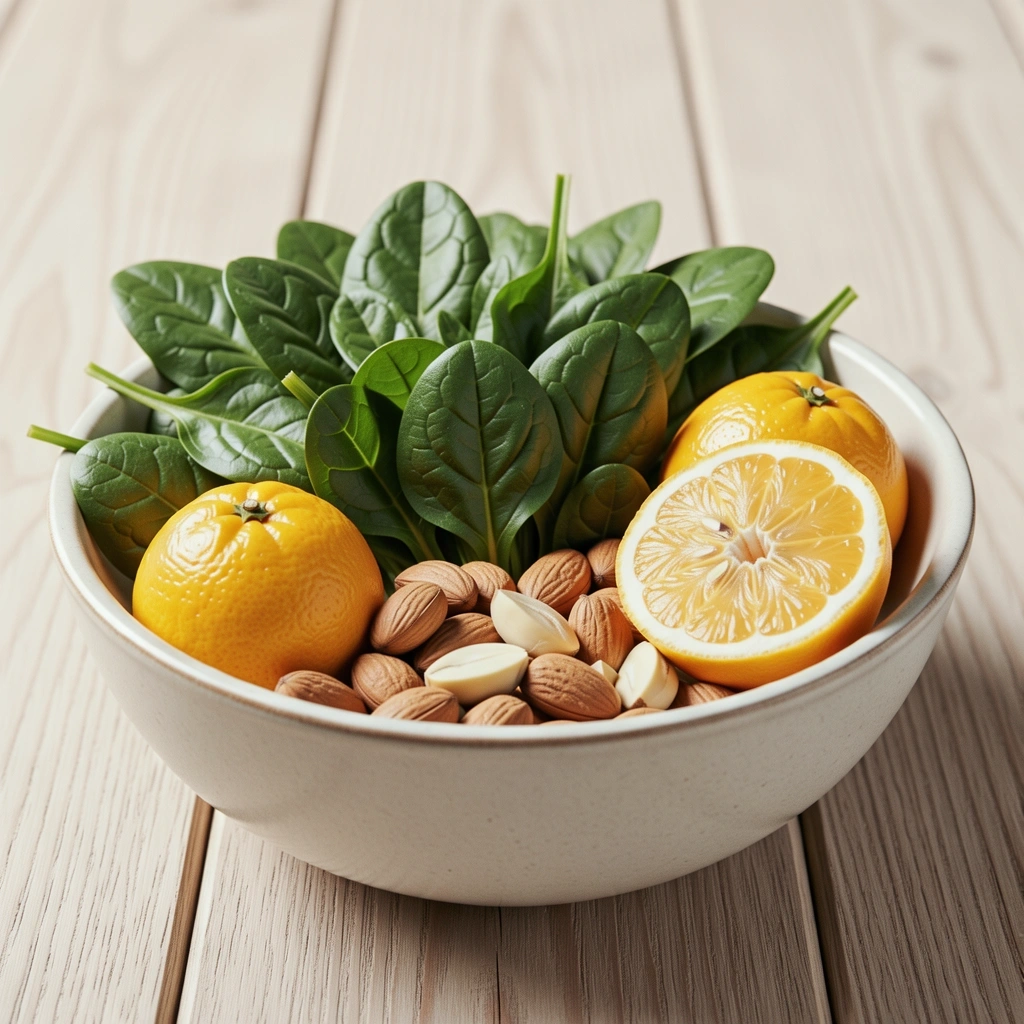
An active lifestyle is only as effective as the fuel powering it. Nutrition plays a silent but dominant role in how we perceive and handle pressure. By choosing the right food, we provide our nervous system with the raw materials needed for repair.
Vegetables & Roots
Rich in magnesium and antioxidants that support muscular recovery after sports.
Seasonal Fruits
Natural glucose levels provide sustained energy without the spikes and crashes of refined sugars.
Activity Profiles
Find the right intensity for your current mental capacity.
Low Intensity
Ideal for days of extreme mental exhaustion. Focus on soft stretching, slow walks in nature, or restorative yoga. The goal is gentle circulation.
- Duration: 15-30 mins
- Focus: Breath control
Moderate Intensity
Perfect for breaking through creative ruts. Brisk walking, light cycling, or swimming at a steady pace to stimulate blood flow to the brain's prefrontal cortex.
- Duration: 30-45 mins
- Focus: Steady state
High Intensity
Best for venting acute frustration. Short intervals of running or resistance training to rapidly consume excess adrenaline stored in the muscles.
- Duration: 20-30 mins
- Focus: Power release
Practical Steps for Today
Swap one sedentary commute with a walk. Use the time to notice three specific sounds in your environment to anchor yourself in the present.
Prepare a meal tonight led by fresh . Mindful cooking is its own form of active meditation that prepares you for tomorrow.
Questions about implementing a new routine?
Reach Out to UsLocation
Lungomare Trieste 18, Trieste
Availability
Mon-Fri: 9:00-18:00